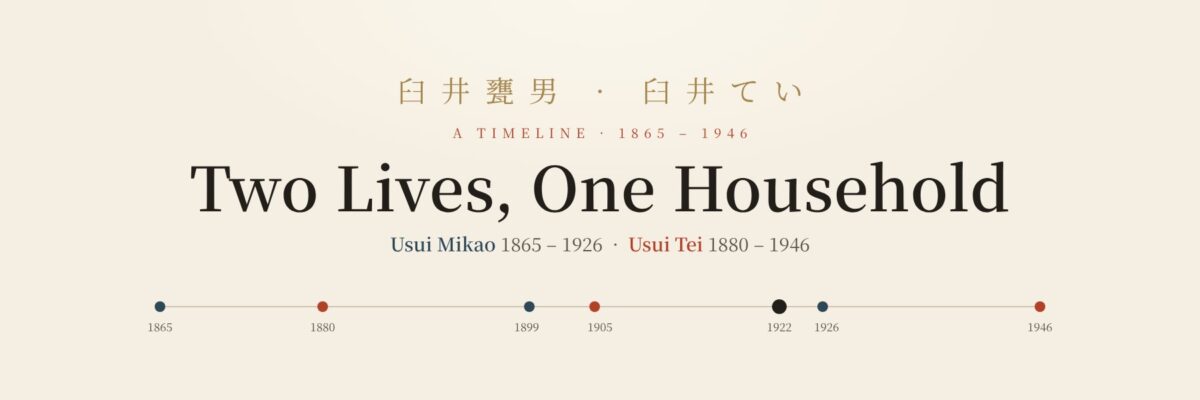
Born 4 October in Taniai, Gifu (the 15th day of the 8th month in the old calendar).
1865
1880
Born 13 January as Suzuki Tei in Inba District, Chiba, and registered as a commoner of Tokyo Prefecture.
Studies psychology under Motora Yūjirō in Tokyo, then psychology and philosophy in America (1895–96).
1893
Known as Suzuki Mikao. The official gazette uses the name in December, and he applies for passports to America under it in 1896 and 1897. Tokyo records name him as Suzuki Mikao until 1902. Suzuki was Tei’s family name. Wakatake Mamoru reads the records as showing that he had been adopted into the Suzuki family, and that the couple left it around 1903 to 1904, when both became Usui with the same registered address. This is not yet confirmed: copies of the passport applications have been requested.
1896
Runs the Kion school (喜音) in Fukagawa, Tokyo, for the Methodist Women’s Foreign Missionary Society (1899–1903).
1899
Graduates from Aoyama Jogakuin, the girls’ school of the same missionary society.
1900
Sewing teacher’s licence. Head teacher at a sewing teachers’ training school in Fukagawa, the district of the Kion school (1900–01). Then Nara, and Sennan Girls’ High School near Osaka, where the staff directories list her as Suzuki Tei in 1903 and 1904.
1899 – 1902Likely meeting. Both are working in Fukagawa within the same Methodist mission: he at the Kion school, she at a sewing teachers’ school in the same district. Before this he spent time in America (his own CV says 1895 to 1898, though Tokyo church and school records already name him in 1898) and she was still a schoolgirl.
February: leaves the Kion school. By March another founder is named.
1903
Teacher at Sennan Girls’ High School, Osaka, still listed as Suzuki Tei.
20 July: signs his CV as Usui Mikao. August: hired in Taipei for the Old Customs Research Committee under Gotō Shinpei. His handwritten CV gives his address as Fukagawa, Nishimoto-machi No. 1.
1904
1905
Signs a CV as “Usui Tei”, former name Suzuki, family register Fukagawa, Nishimoto-machi No. 1. Appointed 3 May to the Japanese Language School in Taipei, hired on her own qualifications. The Sennan staff directory for 1905 also lists her as Usui Tei: only the surname has changed.
1907 · 1914Son Fuji (不二) and daughter Toshiko (敏子) are born, during Tei’s years of service in Taiwan.
1909
Teaches at the new girls’ high school in Taipei; four times on the teachers’ examination committee (1912–17).
His post in Taiwan has ended by about 1911, according to Taiwanese researchers.
1911
1919
Photographed with the women teachers of her school, aged 39: the first photograph of her to be identified.
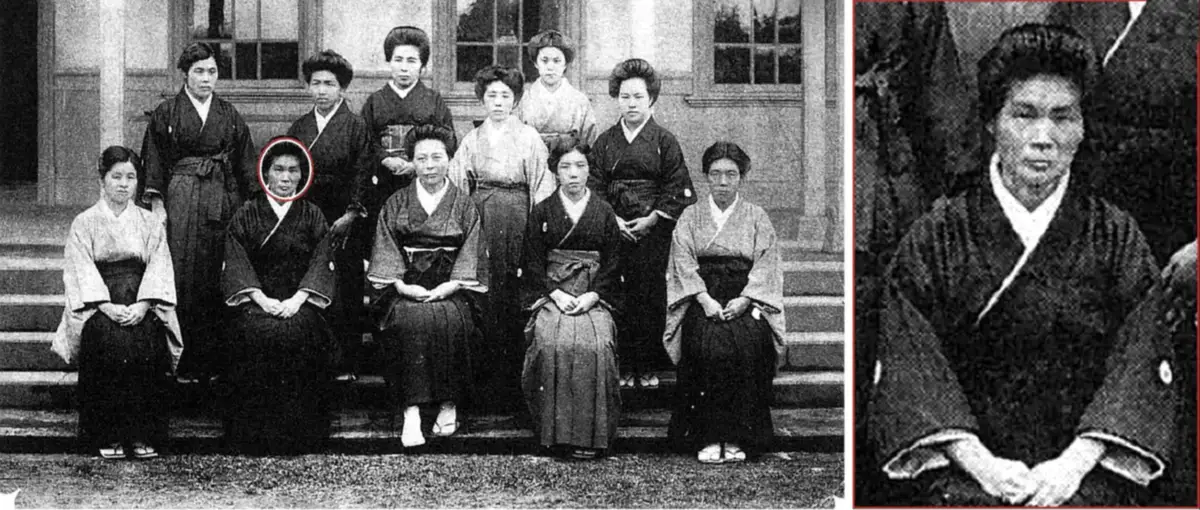 Source: Taihoku Daiichi Kōjo Monogatari (台北第一高女ものがたり), 2nd edition, Midori-kai, 1999, page 19. National Diet Library Digital Collections, pid 13846396.
15 December: Okamatsu Santarō, his mentor from Taiwan, dies.
1921
Seriously ill. Diagnosed 1 May with neurasthenia and beriberi; the doctor records treating her with seishin ryōhō (精神療法) alongside medicine. Retires 24 May after sixteen years.
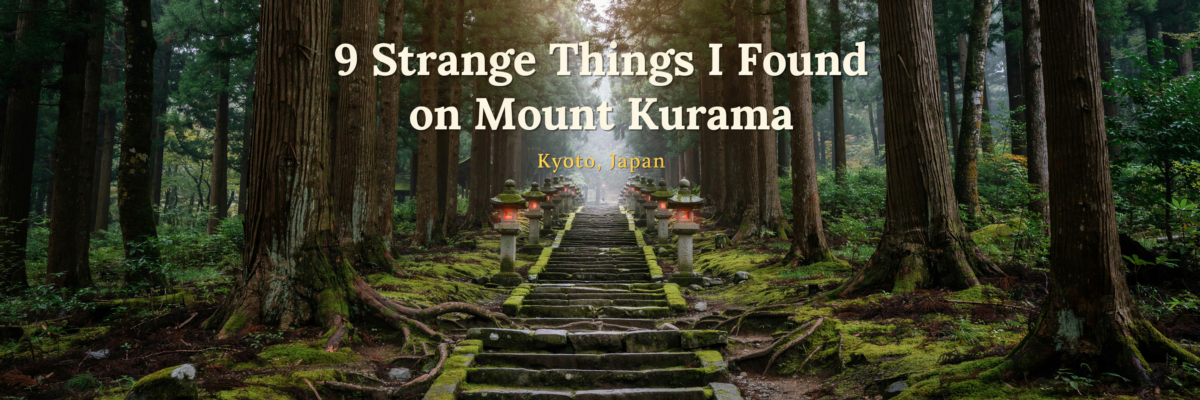
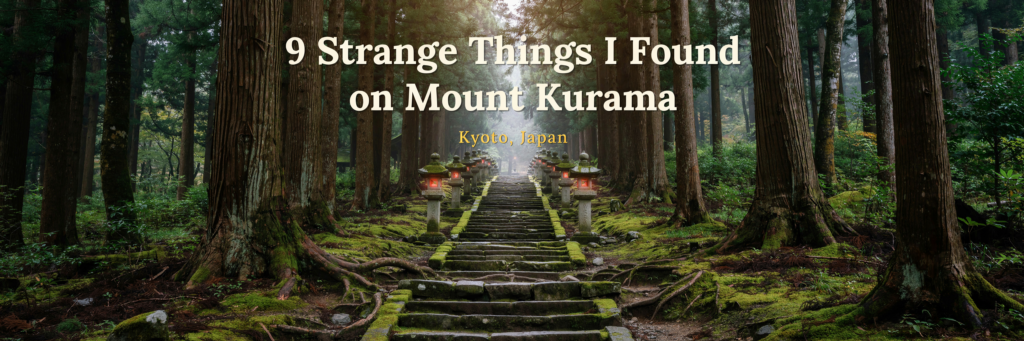
April 1922Mount Kurama. Usui Sensei treats himself, then his household (家人), then founds the Usui Reiki Ryōhō Gakkai in Harajuku, where Tei is recorded living that same month. In September he publishes the Kōkai Denju Setsumeisho, declaring he will not keep the method within his family.
Dies 9 March in Fukuyama. Memorial stone raised at Saihōji, 1927. His Buddhist name: 霊山院秀譽天心居士.
1926
Widowed at 46, with Fuji (about 18) and Toshiko (11). Supported by her own pension.
1935
Toshiko dies, aged only 21.
1946
Loses Fuji on 10 July. Dies 17 October, having outlived her husband by twenty years and both her children. Her Buddhist name: 貞心院温譽浄忍大姉.
A shared nameBoth rest in the family grave at Saihōji, a Jōdo-shū temple since the early 1600s, and both posthumous names are Jōdo-shū (Pure Land) names, marked by the same 譽: his Reizan-in Shūyo Tenshin Koji, “of the Heavenly Heart”; hers Teishin’in On’yo Jōnin Daishi, “of the Steadfast Heart.”