
What Has Reiki Cost Us? Was It Worth It? (Ep 6): Reiki Women Podcast Episode 210
September 14, 2026
What is the most misunderstood Reiki symbol?
September 16, 2026
There are two answers. A person who practises a healing method is a reiyōshi. But the memorial stone of Mikao Usui describes him as someone who undertook shugyō, committed training, and a person on that path is a shugyōsha. From a Japanese perspective that is the better word for a Reiki practitioner: someone committed to daily self-practice, not someone with a certificate.
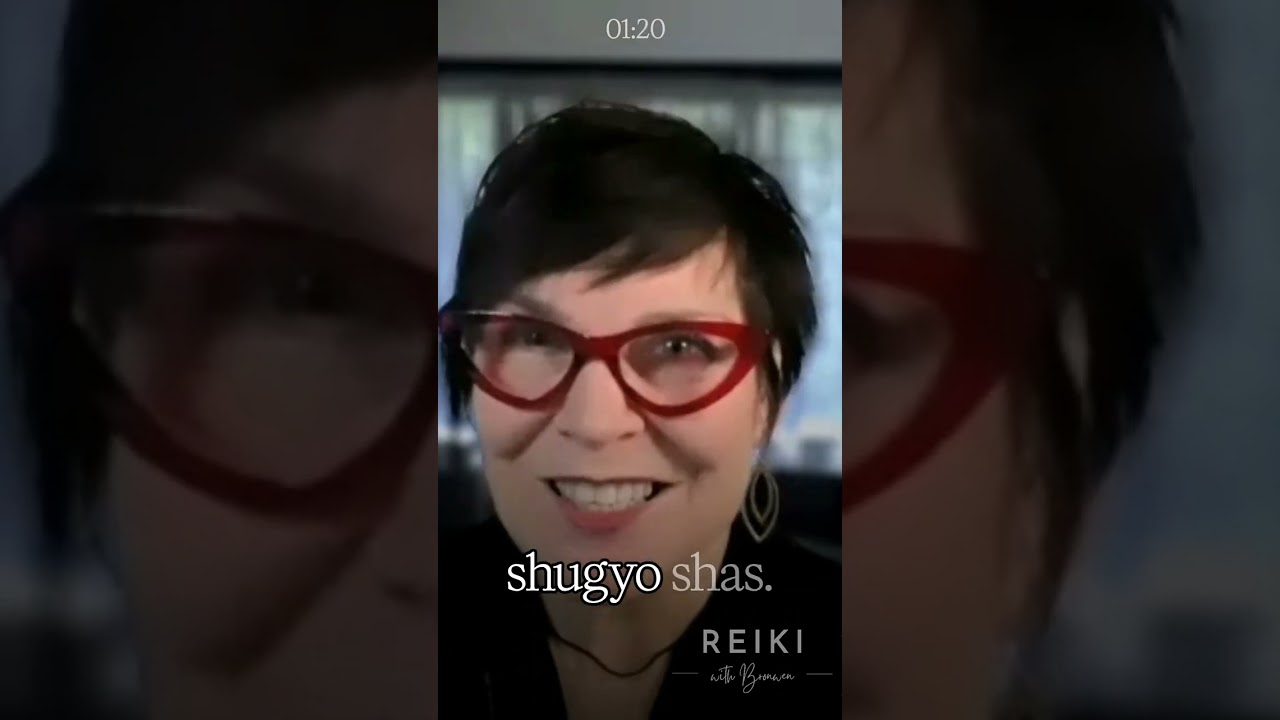
Such a good question, and there are a couple of ways we could see this. We could say that a Reiki practitioner is a reiyōshi, a person who practises a healing method, reiyō.
But there is another name we could think of ourselves as. If we look at the memorial stone of Mikao Usui, he is said to have practised kushu shinren, which is a type of shugyō. In Shinto, shugyō is an austerity practice, austerity training. A difficult practice.
I know the idea is that the system of Reiki is for everybody, and that anybody can practise it. But that does not mean we should not have to work hard at it. Someone who works at an austerity practice is called a shugyōsha: someone committed to a path and practising that path. So maybe we should call Reiki practitioners shugyōsha.
In the West we have created a professional identity around Reiki: I am a professional practitioner, or a professional teacher. From a Japanese perspective, a shugyōsha is not that interested in certificates and much more interested in self-practice, because it is about their own practice. It is someone who is committed to practising, hopefully every day, and who works hard at their own self-development. It is a commitment to a path.
The name. Shugyōsha, 修行者: shugyō, 修行, is disciplined training or practice, and sha, 者, is a person. A reiyōshi, 霊療士, is a person who practises spiritual healing. The first describes what you do every day; the second describes what you do for others.
Where it sits in the system. The word points at the first two of the five elements: the precepts and the daily meditations. A shugyōsha is defined by those, whether or not they ever give a treatment to anyone else.
A common misunderstanding. That the Japanese word must be the equivalent of “Reiki Master”. There is no such title in the early Japanese system; the association simply had members at different levels of training.
Try this. For one week, drop the word practitioner and think of yourself as someone in training. Notice what changes about how you sit down to practise.
You might also ask: What does ki actually mean in Japanese? · What is the morning ritual that Mikao Usui asked us to do each day? · Master Teacher versus Reiki Master?
Train with me as a shugyōsha inside Shinpiden+, or start with daily practice in the Shūyō app.
More questions answered: Reiki Questions Answered.