
What has Reiki cost us in our Identity?(Ep 4): Reiki Women Podcast 208
July 20, 2026
There Is No Attunement in the Usui-kai: A Second Conversation with Wakatake Mamoru
July 24, 2026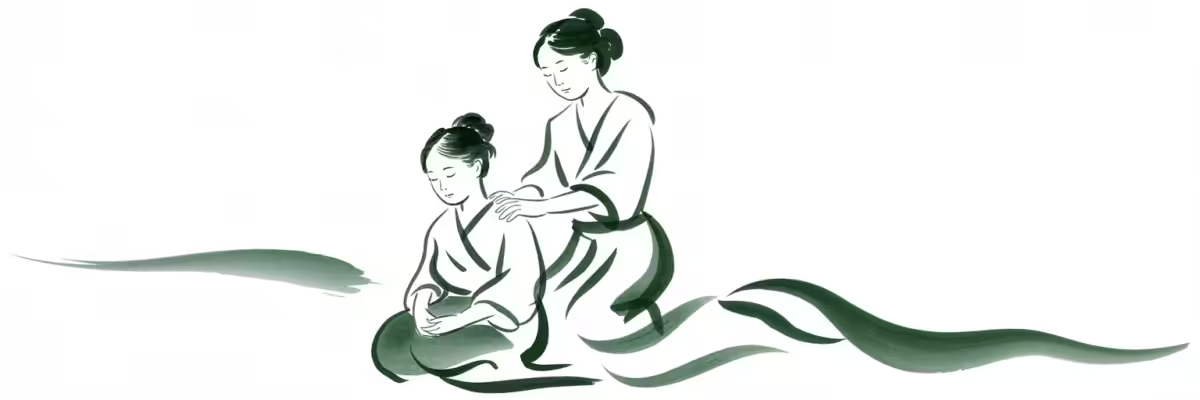
A major review making the formal clinical case for touch-based therapies in treating depression and anxiety. C-tactile (CT) afferents — specialised nerves in the skin activated by gentle stroking — trigger oxytocin release and regulate the stress response system. The authors argue that touch-based therapy should be formally integrated into psychiatric treatment for affective disorders, citing decades of neurophysiological evidence.
In Usui Reiki Ryoho, the hands rest gently on or near the body and historically in Japan also stroked and lightly pressed upon the body. It offers the quality of touch that neuroscience is now recognising as uniquely therapeutic. This is the intelligence of the system.
If you would like to learn more about Reiki Treatments, how they work and what they can do for you, come and join my Shinpiden+on-demand course.

Written by
I have been practising and teaching the system of Reiki for almost 30 years.
Along the way I helped build the International House of Reiki and created Shibumi International Reiki Association, and I have written a handful of books, including The Reiki Sourcebook, The Japanese Art of Reiki and Your Reiki Treatment.
Today, I focus on creating tools and supporting Reiki students in developing their skills, knowledge and practice. Reiki with Bronwen, my new baby, is home for all of this. Most of my study has gone into the Japanese roots of the system.
Outside that: writing, animals, and the Reiki Women Podcast, which I co-founded. I teach privately and online. And there are new books on the way...
Reiki with Bronwen News
Enjoyed this article?
I write about Reiki history, research and practice from a Japanese perspective. Join my newsletter and the next article will come straight to your inbox.
Free, and you can unsubscribe at any time.