
Research: Reiki Treatments Reduce Psychological Stress in Japanese Nurses
August 12, 2026
Research: What Happens in a Practitioner’s Brain During a Session?
August 19, 2026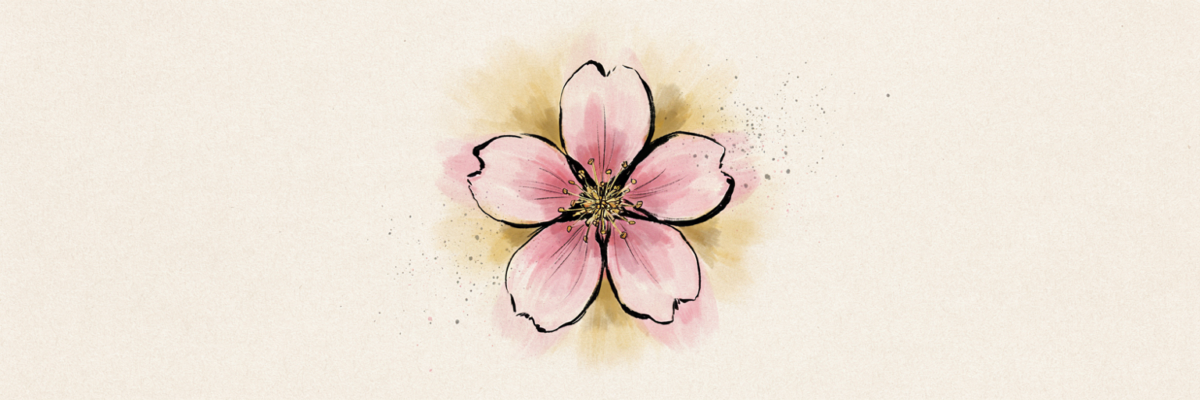
Daoists say that we are each born with a set number of breaths. Not years, but breaths.
As an instruction for how to live a healthy, happy life, this little factoid has stayed with me for years, because it puts attention in exactly the right place: not necessarily on how long life is, but on how it is being breathed. If you live life in a panic, for example, you’ll spend your years quickly. But breathe slowly, and deeply, and the same allowance carries you further. And not just further, but with less anger, worry and fear. Just ask any practicing Reiki person.
We do not breathe the way we were built to. Watch a sleeping baby. The whole body responds. On the in-breath, each cell fills with life and then there’s the out-breath, long and deliciously unhurried. Now think of yourself in a difficult moment, and notice the breath, It might be quick, or shallow, or slightly held. You are working against your natural rhythm.
Our emotional states have their own signature in the breath. Worry ties it into knots. Anger drives it up and makes it short. Fear pulls the ground out from under it. Grief thins it and lifts it into the throat. Shock scatters it altogether.
The breath is the one part of that whole emotional rollercoaster we can immediately work with. It’s difficult to slow the heart. We cannot tell the stomach to unclench, or the shoulders to relax and expect them to always listen. Yet, we can lengthen the out-breath. And when we do, everything else begins, in its own time, to let go.
Knowing is not the problem
Practitioners understand that embodying the breath helps. The difficulty is not in the knowing, it is in the doing.
Think about where support actually sits in most of our lives. There’s often something coming up to help. The class is on Sunday. The book is on the shelf. The meditation is at eight in the morning. The retreat is in April. All beautiful experiences to look forward to and all of them worth doing. But how do we bring them into our lives, NOW!
That gap is what I have been thinking about for a long while, and it is what the newest part of The Shūyō App is for. I’ve called it NOW. Remember, shūyō means self-cultivation and this refers to the practices we do, not the ones we merely talk about.
It follows you; it does not lead
This is how NOW works: you press the blossom as you breathe in, and let go as you breathe out. It uses haptic touch (the physical vibration feedback from your phone’s motor). That is the whole of it and as a user of NOW, I find the way it works to be totally unique. The flower physically appears to open when you press it and closes when you release, so it is moving with your breath rather than telling it what to do. And if you turn the sound on (you must!) there’s a beautiful calming tone that follows the out-breath.
That distinction is important. Nearly every breathing tool you’ll find online sets a rhythm and asks you to keep up. When you are calm that is pleasant. When you are furious, or frightened, being told to slow down is simply frustrating.
So NOW has no pace of its own. It takes its measure from your first breath, then draws each out-breath out a little longer than the one you have just taken. You are gradually slowing the blossoming flower, and slowing and deepening the breath. There is no target on the screen, no streak, no score, and nothing to fail at.
After six breaths, if you pause, it lets you know how you’re going: your out-breath began at about four seconds; it is now about five. Take this with you into your day. That’s it, nothing more. In the meantime, your breathing has begun to loosen emotions and come down out of your chest and back into your belly, where it lives in strength and resilience.
There’s one more stop before you leave NOW. You can, if you want, name what lies underneath the problematic breath. NOW asks: Something has pulled you out of place. Name it. It gives you the chance to think about what is creating imbalance in your life, right now. And offers a choice of worried, angry, afraid, sad, shaken, rushed, unheard, and tired. Choose the word you feel most accurately reflects your experience. NOW then offers you the physical description of the breathing you are releasing. Naming a thing loosens its grip. That is old knowledge.
Three seconds away
NOW is immediately accessible.
On an iPhone, tap the back of your phone twice. This is so cool! Two taps and the blossom is there. It takes about three minutes to set up, once, and the instructions are inside the app.
On an Android phone, keep it on your home screen. Its own icon, sitting beside your Shūyō blossom, one tap away.
Or simply open The Shūyō App and scroll to the bottom. The flower is waiting there, beneath your reminder times. Nothing to set up and nothing to remember.
Each one feeds the other
Are you wondering how this works with the traditional Japanese practices you find on The Shūyō App?
It is not a replacement for sitting down, and it is not a lesser version of it either. The two feed each other, and they do it in both directions.
When you practise as Usui taught, morning and evening, the breath gradually settles lower and deeper into the body, allowing body, mind and breath to move into a harmony you can feel rather than one you have to believe in. Once you learn that shape, the deep natural breath is far easier to find again. You are not looking for something unfamiliar. You are returning to somewhere you already know the way home to.
And it runs the other way too. Every time you take one long, deep breath in NOW, you are strengthening the very thing your morning and evening practice rests on. The practice teaches you the breath. The breath, practised anywhere at all, carries you further into the practice.
I think the Daoists could be right, the principle makes so much sense to me. I notice that when I have spent a day breathing high and fast and defensively, I have had a smaller life that day, and been a smaller person for it. And I notice that a couple of long, low, unhurried out-breaths can return me to my natural home.
Don’t forget Usui said that we heal with the breath!
All NOW asks for is one breath at a time. And then today begins again, as often as you need it to.
You can find The Shūyō App here.
I’ll be writing a follow-up piece to this on the research that supports the Daoist view that slow deep breaths are the path to a healthy way of life!