

A Hidden Map Inside the Word Reiki
May 3, 2026
Was Chujiro Hayashi Really a Doctor? What the Primary Sources Actually Say
May 13, 2026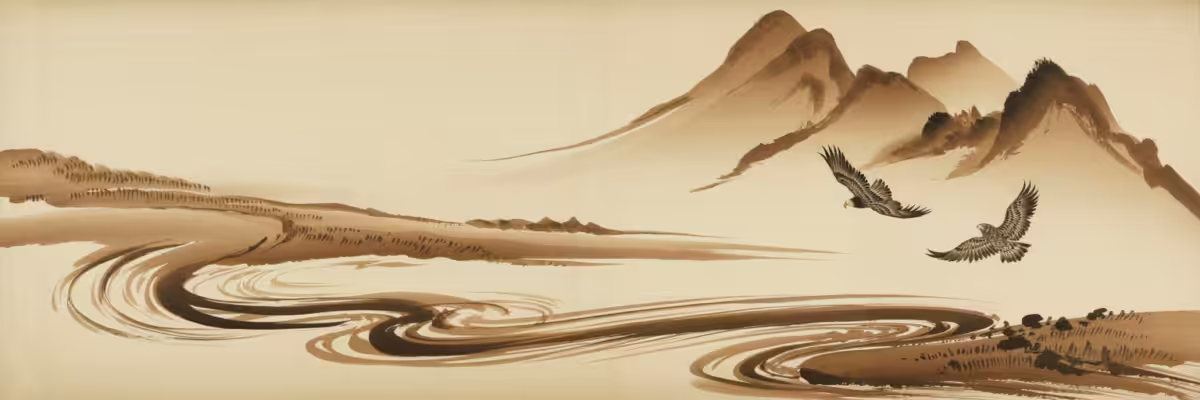
高山のかげをうつしてゆく水の ひきにつくを心ともがな
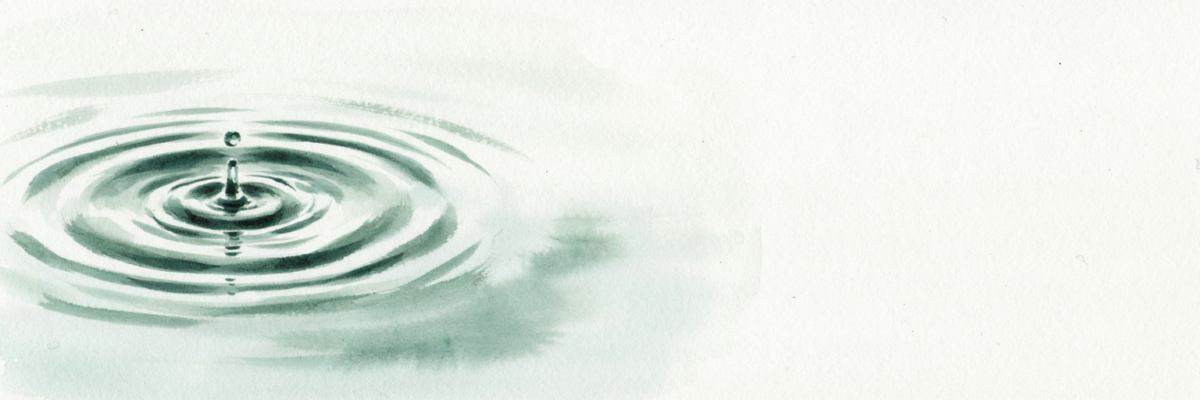
While still reflecting
The image of lofty mountains
Water in streams
Strives to seek humbler levels
As should these hearts of ours.
— Empress Shōken (昭憲皇太后)
Did you know that poetry is a part of the system of Reiki? It’s true! Waka (Japanese poetry) has been practiced by Japanese Reiki practitioners since the early 1900s. These poems were a source of deep inspiration for Japanese Reiki practitioners and were used as tools for contemplation and spiritual growth.
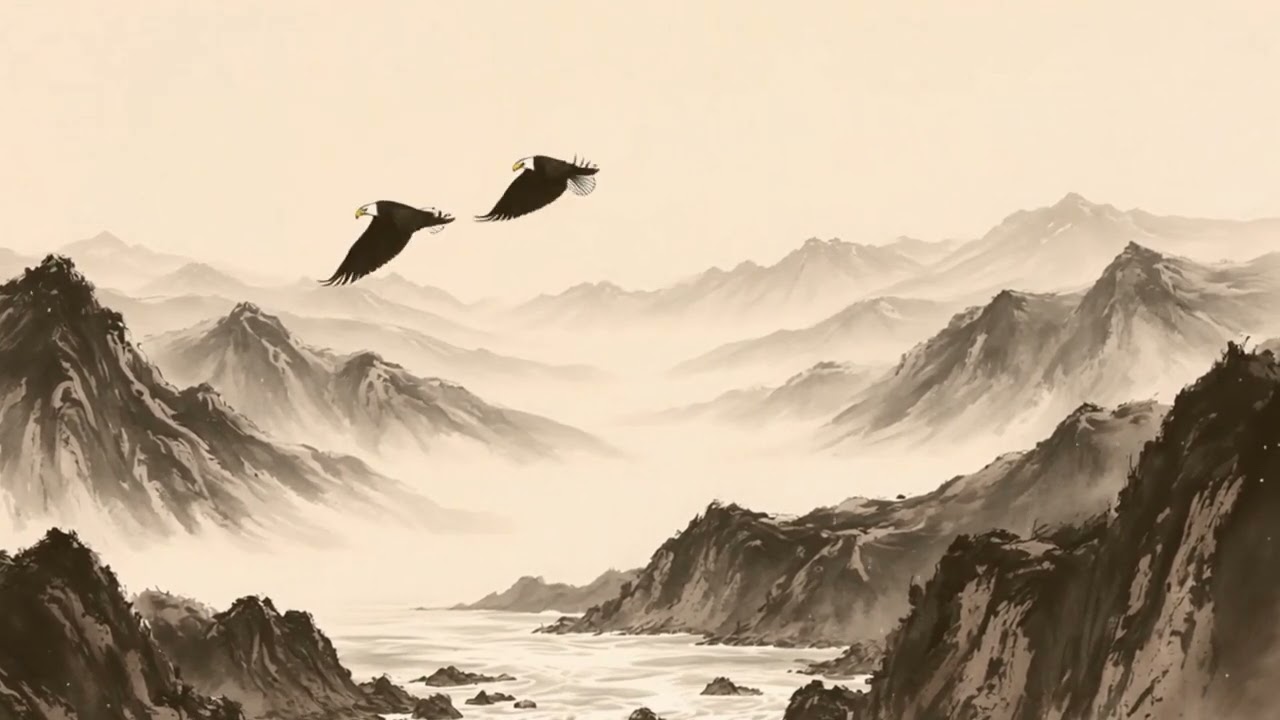
This waka by Empress Shōken offers a beautiful teaching about humility and aspiration: water holds the reflection of the great mountain above it, yet it does not remain there, it flows downward, always seeking the lower place. This is not defeat. This is wisdom. The poem invites us to carry what is noble within us while remaining humble in how we move through the world. Listen to this song and contemplate the words.
The poem reminds us:
— True humility does not forget what is noble, it reflects it
— Greatness is not found in rising above others, but in flowing humbly among them
— Water does not cling to the mountain’s image, it carries it forward
— The lower path is not the lesser path
— A humble heart can still hold something vast within it
In the context of the system of Reiki and spiritual growth, this waka teaches us about 謙遜 (kenson) humility.
Spiritual practice asks us not to elevate ourselves above others, but to flow gently downward, remaining open, grounded, and close to the earth.
Like water that reflects the mountain yet seeks the valley, we are invited to carry what is highest within us while walking humbly in the world.
This poem also connects beautifully to the 3rd of the Reiki precepts: 感謝して (kansha shite).
Initially I knew this precept as “be humble” and while that is not wrong, I found that students struggled to connect with that word in a meaningful way. Over time I moved to using the translation of “be grateful” which is probably a more direct translation anyway AND people could feel it. What I came to understand is that both translations are pointing at the same inner movement:
Humility — I am not above what I have been given
Gratitude — I honour what I have been given
They are two sides of the same coin. To be truly grateful is to recognise that we are not the source of everything, that we have received from something greater than ourselves. Empress Shōken’s words do not ask us to abandon what is noble. They simply remind us that a truly humble heart can hold both, the reflection of the mountain and the willingness to seek lower ground. The question is not how high we can rise. It is how gracefully we can flow.
🌸 Deepen Your Practice: 21-Day Waka Journey
This waka can be used by Reiki practitioners for daily contemplation. If you’re drawn to this wisdom, imagine spending 21 days exploring the profound spiritual teachings hidden within Japanese poetry.
Join my 21-Day Waka Course where you’ll:
Discover 21 waka poems that can be used in traditional Reiki practice Learn how Mikao Usui and his students used poetry for spiritual development Receive guided reflections to deepen your understanding of each poem Explore the connection between Japanese aesthetics (mono no aware), nature, and inner cultivation Transform your spiritual practice through the timeless wisdom of waka Each day brings a new poem, a new teaching, a new opportunity to cultivate your practice.
👉 Join the 21-Day Waka Course here

2 Comments
I love this poem’s reminder about being humble. But more than that, I loved you singing the poem! That was really beautiful! Thank you Bronwen!
Thanks Brenda,
Yes, a dive into what humbleness actually is and how it relates to our practice. I liek that too!
It is the lovely AI voice not mine I’m afraid. Ah welllll. At elast it gives me the opportunity to make this and share.
x B