
What’s the biggest change you’ve seen in the system of Reiki since 1999?
October 31, 2026
It is an internal practice, not an external one. The Western forms that grew from the mid-1970s, and then met the New Age movement, are about doing things to people; the Japanese style is about letting go. It changes you from the inside, and when you change from the inside everything around you is affected: the pebble in the pond, and the ripples.
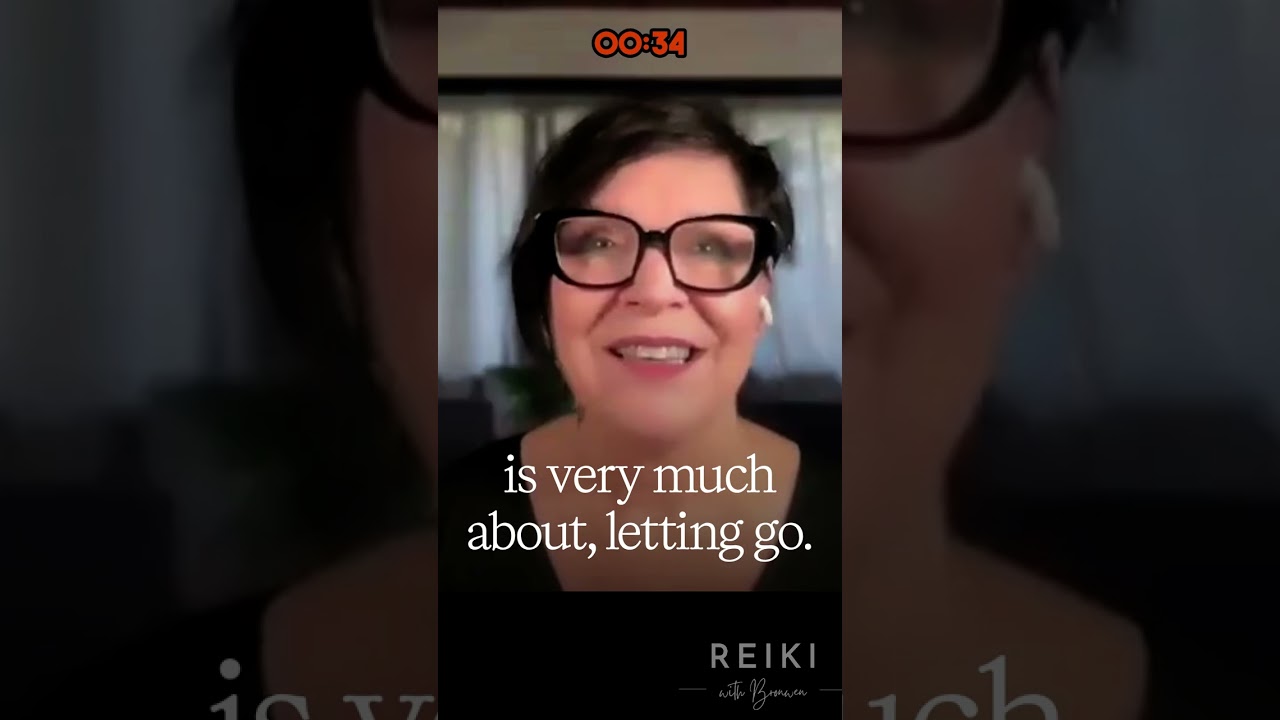
This is an easy one. It is an internal practice, not an external practice.
The more Western forms that started to come out around the middle of the 1970s into the 80s, and became involved with the New Age movement, are all about doing stuff to people. Very do, do, do. The Japanese style is very much about letting go: letting go of all that, not doing symbols and mantras on things and people.
It is an internal practice that changes you from the inside. And if you change from the inside, everything around you is affected. It is the pebble in the pond and the ripples coming out.
The name. The Japanese emphasis is captured in one word, shugyō, 修行, self-training, and one place, the hara, 腹. Neither has a comfortable equivalent in the Western vocabulary of treatments, clients and sessions.
Try this. For a week, use no symbols, give no treatments, and sit each day with the precepts and the breath. That week is the difference, felt from the inside.
You might also ask: How is Reiki practised differently in Japan versus the West? · Why is meditation the foundation of Japanese Reiki? · What is the cultural appropriation question in Reiki?
The internal practice, taught as it comes from Japan: Shinpiden+.
More questions answered: Reiki Questions Answered.