
Reiki versus other energy healing: what makes Reiki different?
October 30, 2026
I would like to think The Reiki Sourcebook and The Japanese Art of Reiki helped people understand the system of Reiki from a Japanese perspective, and that creating language for it, the Three Diamonds (sanmitsu), and the five elements of the system, has been the biggest shift. People understood that it is a system, made of the precepts, meditations, hands-on healing, symbols and mantras, and Reiju, and that you have to practise it to get more from it.
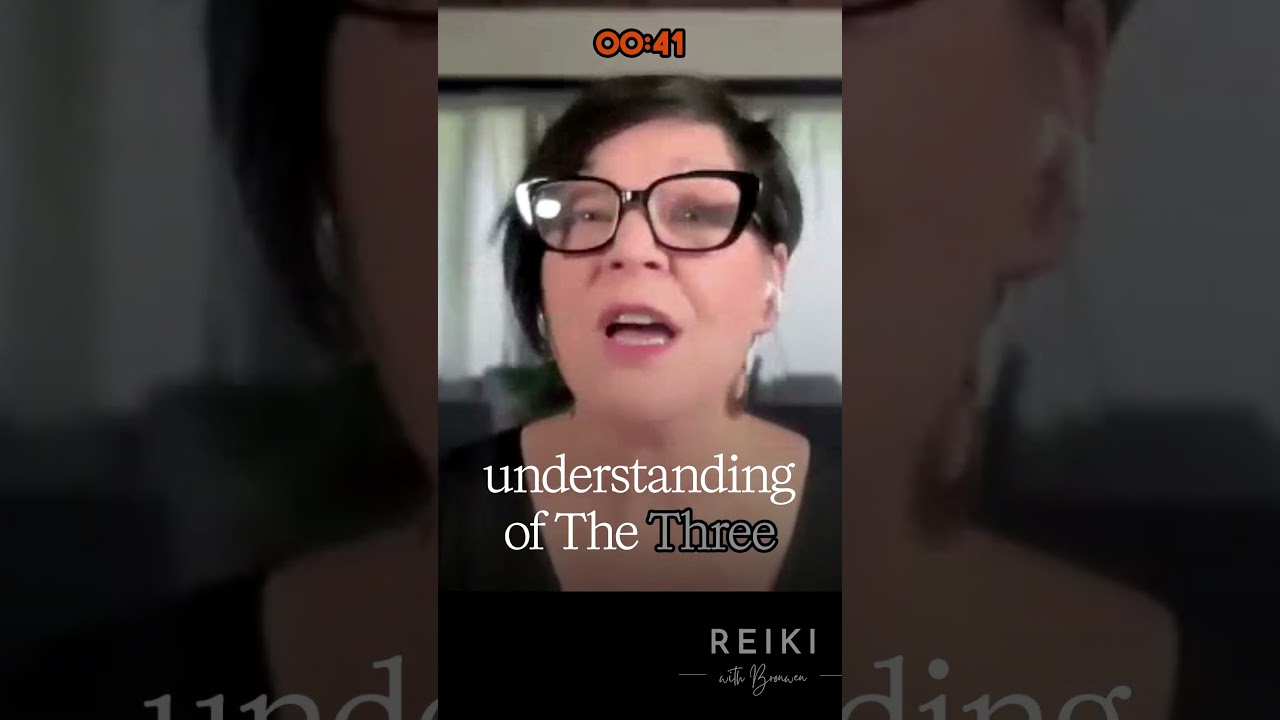
I would like to think that The Reiki Sourcebook, which I have a copy of right here, helped give people a better understanding of what the system of Reiki is about from a Japanese perspective. It has been a great joy to create language that supports a system. Yes, there are still lots of Western forms out there, but you cannot do everything.
Introducing the understanding of the Three Diamonds, Sanmitsu, into the system of Reiki, I think, is fantastic. People can then use a Japanese energetic understanding of the practice, of what it means to be human.
And all the language around the different elements of the system that we work with: hands-on healing, Reiju, meditations, symbols and mantras, and the precepts. Those things need to be in the system of Reiki, and people have really come to understand that. I feel honoured to have helped people understand it, and to know that the system of Reiki is a system, and something you have to practise to get more out of.
Who. The Reiki Sourcebook, first published in 2003 set out the five elements of the system and the Japanese sources behind them at a time when most Western students had never heard of the Usui Reiki Ryoho Gakkai.
Where the story comes from. From research trips to Japan in the early 2000s, the translations of the Hikkei and of Usui’s students’ books, and the conversations with Japanese teachers that the book drew together.
What the sources actually say. That the system had a shape, five elements practised together, long before it had levels, hand-position charts or master titles, and that the precepts were always at its centre.
Why it matters. Twenty-five years ago, “Reiki” in the West mostly meant a treatment. Today, a great many practitioners, whatever their lineage, know it is a practice with a Japanese foundation. That change in understanding is the one I am proudest to have been part of.
You might also ask: What are the five elements of the system of Reiki? · Why do Japanese Reiki teachers not use chakras? · What did Mikao Usui actually teach, compared with what is taught today?
The book is The Reiki Sourcebook; the practice of it is Shinpiden+.
More questions answered: Reiki Questions Answered.