

Beyond Reiki Shares and Circles
November 23, 2025
Reiki Research: Effect of Reiki Treatments on Breast Cancer Patients
December 4, 2025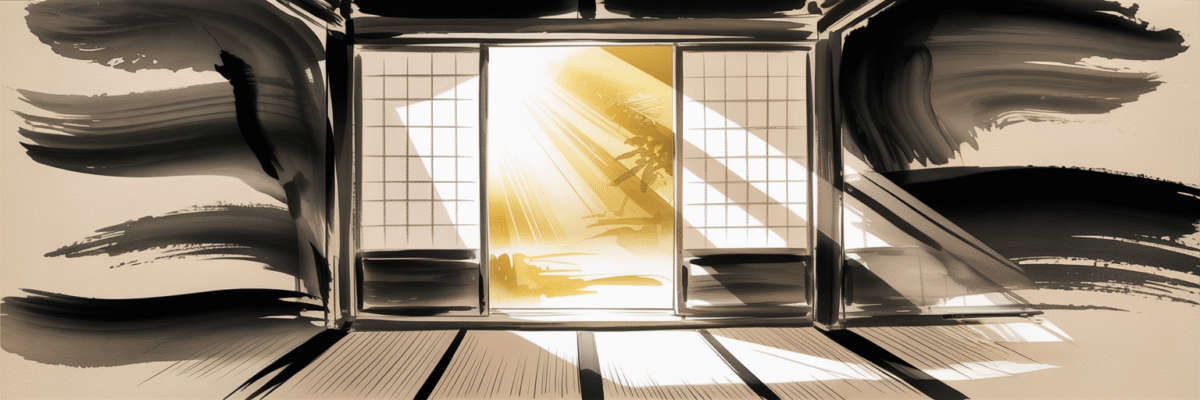
In Japanese, Ma (間) refers to the space between things—the pause, the gap, the interval. It’s the silence between notes in music, the pause between breaths, the space between two people in conversation.
The kanji itself is beautiful: it shows the sun (日) visible through a doorway or gate (門). Not the door, not the sun, but the space in-between where light passes through. This visual reminds us that Ma isn’t nothingness. It’s alive, dynamic, and full of potential.
This reminds me of the Buddhist concept of emptiness, not a barren void, but the open space where everything becomes possible.
This simple yet profound concept of Ma—this practice of knowing space—offers us a gateway into experiencing Byōsen and the art of hand healing.
In this week’s Online Reiki Coaching group, we began exploring Ma by simply sensing the space we exist in. We started with our hands—not trying to create or generate energy between them, but rather noticing what’s already present in the space when we bring our attention to it.
This shift is subtle but essential. Instead of “doing” something, we’re allowing ourselves to become aware of what is.
From Ma to Hibiki
This practice of sensing space is a natural first step toward working with Hibiki—the echo or resonance we sense through our hands. When we scan the body during Byōsen Reikan Hō, we’re recognising sensations, physical or otherwise, that indicate areas where Ki (energy) shifts.
But here’s what makes starting with Ma so valuable: when we first acknowledge and sense the open field of space around us, we heighten our awareness of the world itself. We’re not jumping straight to “finding” something on the body. We’re remembering that we exist within space, that everything exists within space, and that this space itself is alive with subtle information.
Practice Without Fear
When we bring our hands to ourselves or to another person with the intention of working with Reiki, beginning with Ma changes everything. By first acknowledging that we exist in this Ma space—this openness of potential—before moving into sensing Hibiki on the body, we build an internal support system for our practice.
There’s no inner questioning. No worry or self-doubt. No fear of “doing it wrong” or “not feeling anything.”
There is simply the open field of Ma that allows our senses to respond naturally, authentically, without forcing or grasping.
Try This
Next time you practice, take a moment before you begin scanning. Hold your hands apart, as if cradling space between your palms. Don’t try to feel energy or create sensations. Simply notice: What’s here? What does this space feel like?
Stay curious. Stay open. Begin with space.
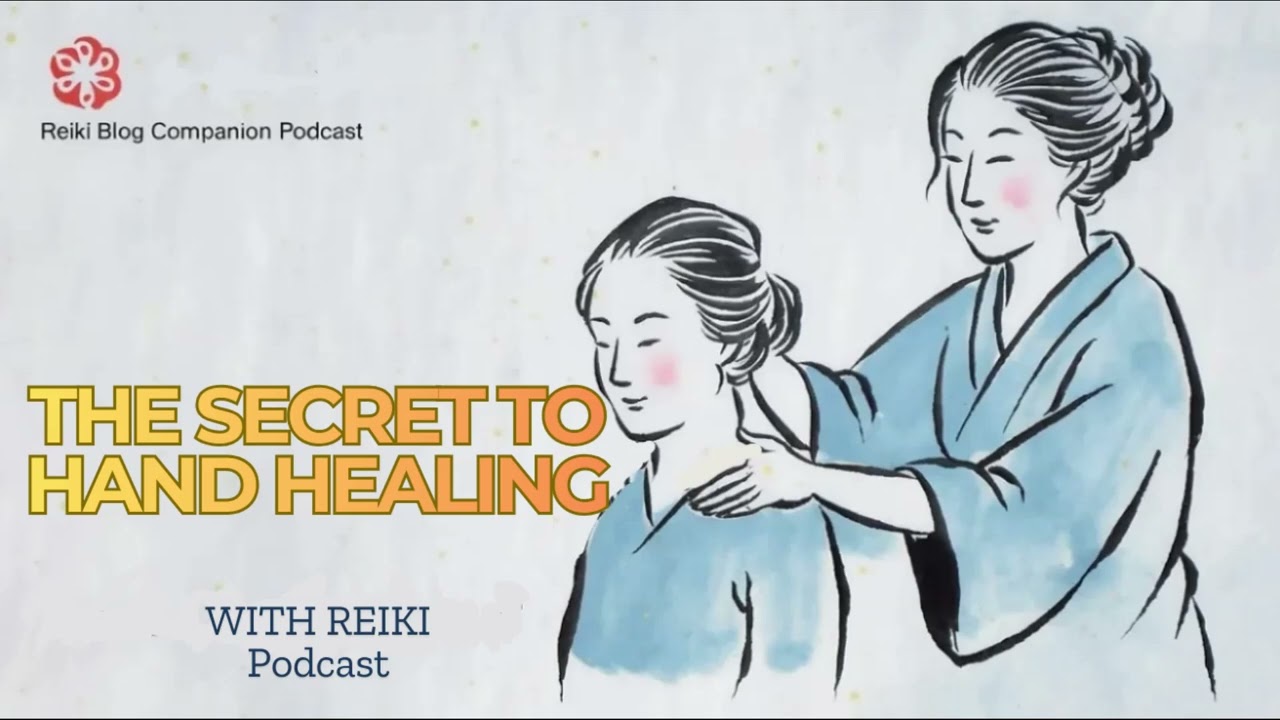
Prefer to listen to a podcast on this subject?

2 Comments
It’s awesome reading your articles. Lot insights in it, which some of us may not be aware. Love and Light of Reiki surround all of us
I’m glad you are enjoying them!
x B